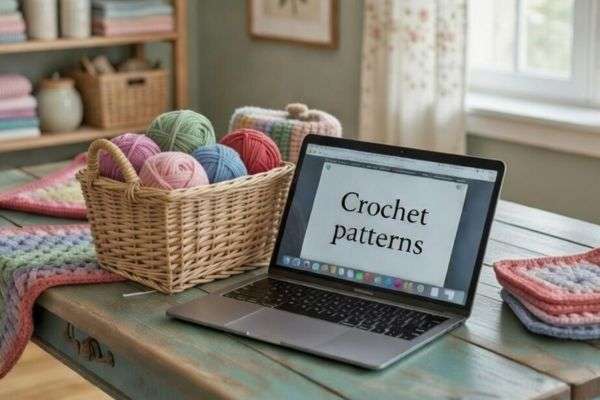
If you spend any time in the crafting world, you’ve probably noticed something interesting: more creators are selling digital crochet patterns instead of physical products.
At first glance, it seems like a small niche. But behind the scenes, some designers are generating thousands of sales from simple PDF files.
Unlike selling finished crochet items (which requires time, materials, and shipping), digital patterns can be sold unlimited times with no additional production cost. That’s why many creators are shifting toward this model.
For example, some successful pattern shops have sold over 100,000 digital downloads, often priced around $3–$6 each, and even at those prices, that can add up to a significant income stream.
But creators who are curious about this space usually ask the same questions before getting started. Let’s break down the most common ones.
How do I protect my files?
This is one of the biggest concerns when selling digital crochet patterns.
Unfortunately, file sharing and pattern theft do exist. Some creators report having their designs copied or resold without permission on other websites.
While you can’t eliminate the risk, there are several ways to protect your work:
1. Use watermarked PDFs
Add your brand name, website, or shop name on every page. This discourages unauthorized redistribution.
2. Include a license statement
At the beginning of your pattern, include a simple copyright note such as:
“This pattern is for personal use only and may not be redistributed or resold.”
3. Sell through platforms with reporting tools
Marketplaces like Etsy allow creators to report stolen content.
4. Build your brand
Ironically, the best protection is often recognition. If customers associate the design with your brand, stolen versions become easier to identify.
No system is perfect, but most creators find the benefits of digital sales still outweigh the risks.
Is Etsy oversaturated?
Short answer: Yes — but that doesn’t mean it’s impossible to succeed.
There are thousands of crochet patterns listed on Etsy, making it a competitive marketplace.
However, saturation usually happens at the idea level, not the platform level.
For example, instead of selling a generic “crochet hat pattern,” successful shops often niche down:
- Amigurumi animals
- Seasonal decorations
- Beginner-friendly patterns
- No-sew plushies
- Crochet bags or accessories
Etsy still attracts tens of millions of monthly visitors, so the demand is definitely there.
The real challenge is standing out, not just listing another pattern.
A few differentiation strategies include:
- Better photography
- Video tutorials
- Unique character designs
- Pattern bundles
- Beginner-focused instructions
Creators who treat their shop like a micro-brand tend to perform much better than those uploading random designs.
What sells best?
Based on marketplace listings and top-selling shops, several categories consistently perform well.
1. Amigurumi
Cute crocheted animals and characters dominate the market.
Examples include:
- Frogs
- Cats
- Dinosaurs
- Ducks
Many of these patterns sell for $3–$7 and accumulate thousands of reviews.
2. Quick beginner projects
Patterns that people can finish in under an hour are popular.
Examples:
- Scrunchies
- Coasters
- Dishcloths
- Small plush toys
These sell well because they offer fast gratification for beginners.
3. Seasonal items
Holiday patterns generate predictable bursts of demand:
- Christmas ornaments
- Halloween plushies
- Valentine hearts
4. Bundles
Pattern bundles often outperform single designs because buyers feel they’re getting more value.
Instead of selling one design for $4, creators might sell 10 patterns for $18–$25.
Can I use AI to design patterns?
This is a controversial topic in the crochet community.
AI tools can generate design concepts, images, or idea prompts, but there’s an important limitation:
Crochet patterns require precise stitch instructions, and AI often gets these wrong.
Many AI-generated listings have been criticized by crafters because the instructions simply don’t work in real life. Online communities regularly warn buyers about fake or unusable AI patterns.
The safest approach is to use AI as a creative assistant, not the pattern writer.
For example, AI can help with:
- Brainstorming design ideas
- Naming patterns
- Writing descriptions
- Creating marketing content
But the actual crochet instructions should always be tested manually.
How do I price digital files?
Most crochet patterns fall into a fairly predictable price range.
Typical pricing looks like this:
- Simple patterns: $3–$6
- Intermediate designs: $6–$12
- Complex or detailed patterns: $10–$25
Why so low?
Because digital products rely on volume sales, not high margins.
For example:
- $5 pattern
- 30 sales per month
- = $150/month from one file
Now imagine a shop with 50 patterns.
That’s where the “passive income” potential starts to appear.
Etsy vs Shopify: Which platform is better?
Both platforms work, but they serve different purposes.
Etsy
Pros:
- Huge built-in audience
- Easier for beginners
- High search traffic
Cons:
- Fees (about 9–10% total)
- Limited control over your store
- Algorithm changes affect visibility
Shopify
Pros:
- Full control over branding
- Lower long-term fees
- Better for building a brand
Cons:
- No built-in traffic
- Requires marketing
Many successful creators actually use both:
- Etsy for discovery
- Shopify for loyal customers
Passive income myths
Digital patterns are often promoted as “passive income,” but that’s only partially true.
Successful pattern businesses usually involve:
- Creating new designs
- Writing clear instructions
- Customer support
- Marketing on Pinterest or social media
- SEO optimization
However, once a pattern library grows, older designs can continue generating revenue for years.
Some creators report that most of their income comes from older patterns, not new releases.
That’s the closest thing to passive income in the crafting world.
How to validate demand before creating?
One mistake many creators make is designing something no one is searching for.
Instead, validate demand first.
Here are simple methods:
1. Etsy search
Type a pattern idea and see:
- number of listings
- review counts
- bestseller badges
2. Pinterest trends
Search crochet ideas and check:
- popular pins
- saved counts
3. Keyword tools
Look for phrases like:
- “crochet frog pattern”
- “crochet bag pattern”
- “easy crochet plushie”
If people are searching for it, there’s demand.
The Real Opportunity Behind Digital Crochet Patterns
Digital crochet patterns are quietly becoming a powerful creator economy niche.
They combine three things creators love:
- low startup costs
- global reach
- scalable digital products
The real secret isn’t just designing patterns — it’s building a small ecosystem around them:
- patterns
- tutorials
- blogs
- email lists
- social content
Do that well, and a simple PDF pattern can turn into a long-term income stream.