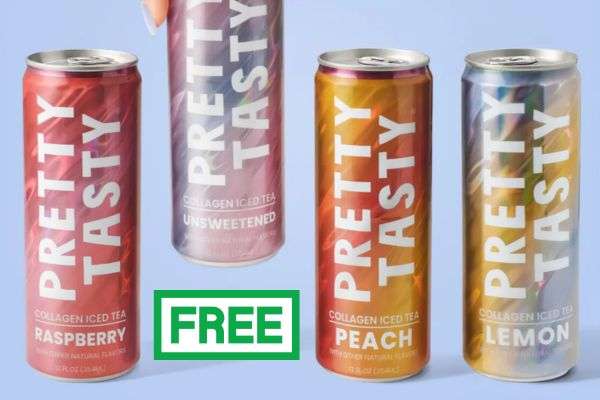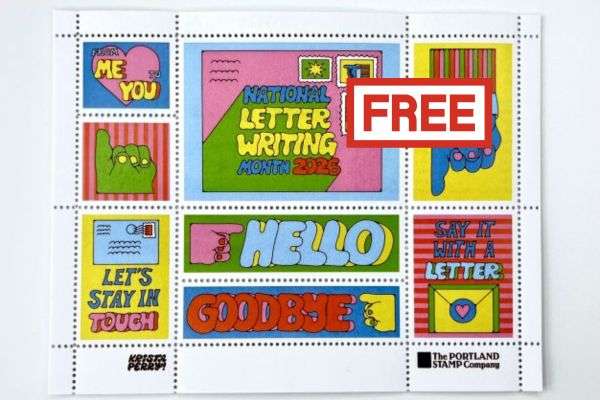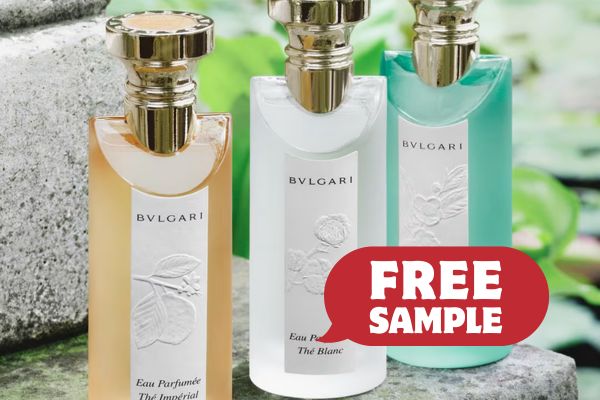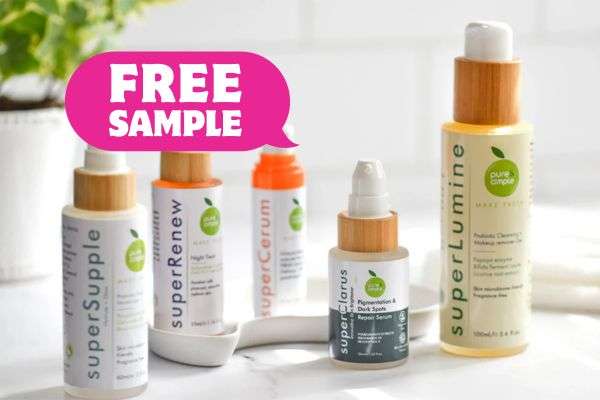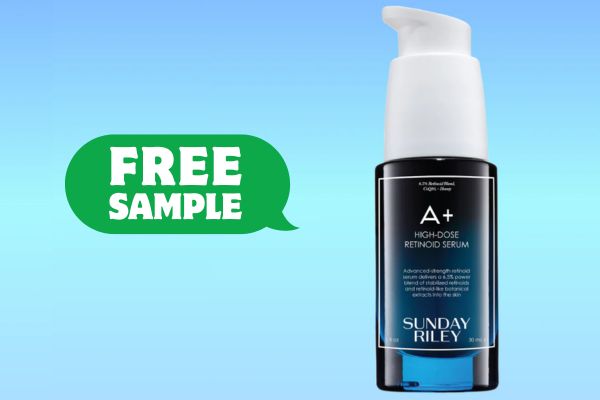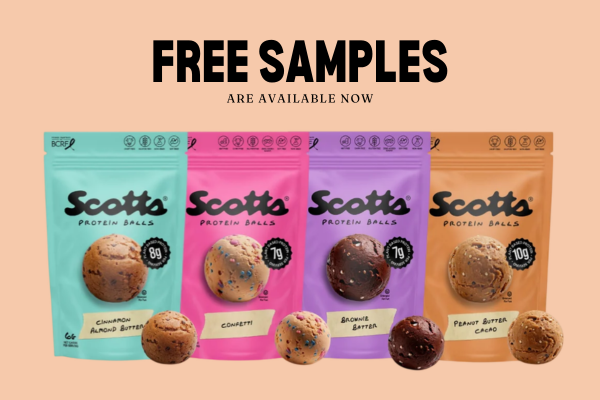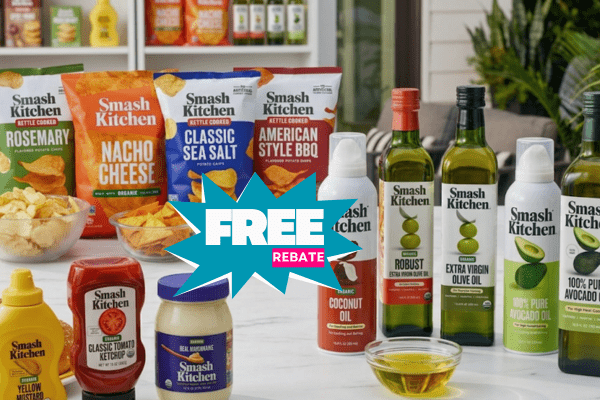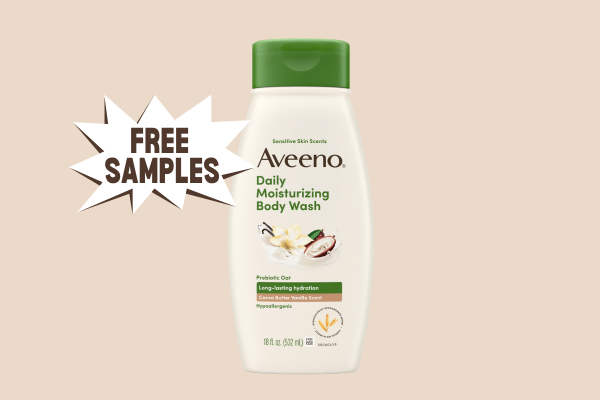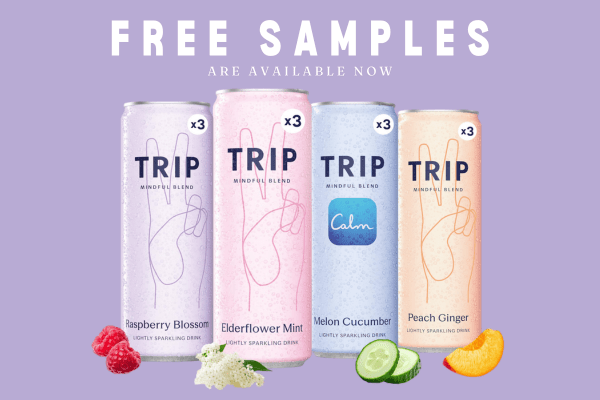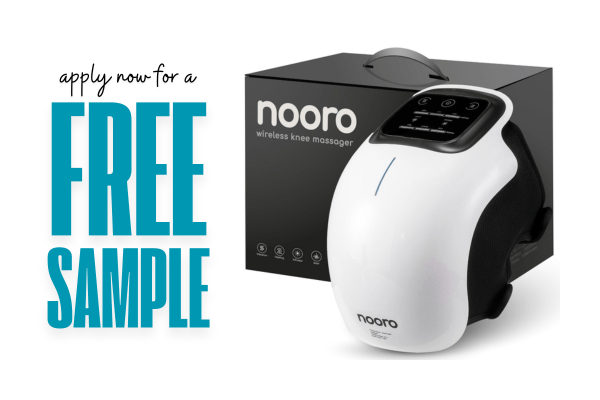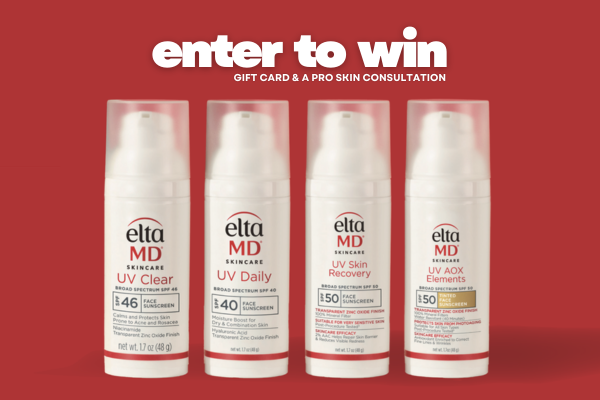

Who doesn’t love free stuff? From snacks and skincare samples to fun little gadgets, freebies are like mini wins in life. But there’s one catch: some offers try to sneakily collect your personal info. Don’t worry, I’m here to show you how to grab freebies safely without turning your inbox into a spam storm.
1. Use a Separate Email for Freebies
This is the easiest trick in the book.
- Create a freebie-only email account. Something simple like
[email protected]works perfectly. - Use this email for sign-ups, newsletters, and sample requests.
- Keep your main inbox clean for friends, work, and important notifications.
Pro tip: Most email services let you filter incoming messages, so you can organize newsletters, promotions, and freebie alerts into folders automatically.
2. Stick to Trusted Freebie Sites
Not all freebie offers are safe. Some sketchy sites try to steal data or get you to pay for “free” items.
How to spot safe sites:
- Look for well-known, reputable platforms. They often curate offers, so you don’t have to guess which ones are legit.
- Check that the site uses “https://” and has a padlock icon in the address bar.
- Avoid offers that ask for credit card numbers or Social Security info. Real freebies rarely need these.
A curated site can save you hours and keep you safe.
Try this list to start: Companies That Send Freebies – Updated List
3. Be Smart About Personal Info
Freebies may ask for some details, but you don’t have to overshare:
- Name and shipping address are usually enough.
- Skip fields like date of birth, phone number, or anything unrelated to the freebie.
- If signing up for newsletters, use your dedicated freebie email instead of your main one.
The less info you share, the safer you are.
4. Read the Fine Print
Some freebies have conditions. Knowing them saves surprises later:
- Check if postage is free or if you need to pay shipping.
- Make sure it’s a one-off and not an auto-renewing trial.
- Look for easy unsubscribe or cancel options if you sign up for newsletters.
Being aware of terms protects you from sneaky charges or commitments.
5. Avoid Clicking Suspicious Links
- Skip social media pop-ups or “amazing deals” ads. They often lead to phishing sites.
- Only click links from curated freebie sites or official brand pages.
- If a link seems fishy, close it and move on.
Remember: your curiosity is fun, but safety comes first.
6. Use Security Tools
Even cautious clicks can run into trouble. A few helpful tools:
- Antivirus software: Free options like Avast help block malware.
- Anti-spyware programs: Spybot Search & Destroy can add extra protection.
- Google Transparency Report: Check if a site is flagged for phishing or malware.
These tools aren’t foolproof, but they make your freebie hunting much safer.
Getting freebies doesn’t mean handing over all your personal info. By using a separate email, sticking to trusted sites, reading the fine print, and staying alert, you can enjoy samples, treats, and giveaways safely.
Free stuff is meant to be fun, so keep it safe and happy hunting!