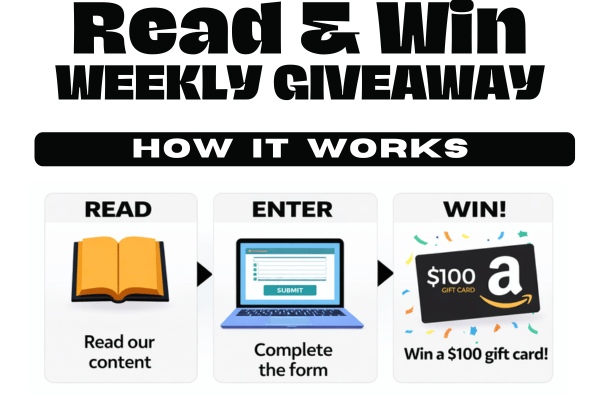

Who wouldn’t want a free phone, a stack of gift cards, or even a free vacation?
Freebies are fun. They feel like a win. And real ones absolutely exist. But here’s the uncomfortable truth: not all online giveaways are real. In fact, fake freebies are one of the most common ways scammers collect personal information, steal money, or even hijack accounts.
The good news? Once you know what to look for, they become much easier to spot. Let’s break it down.
What Is a Fake Giveaway?
A fake giveaway is a scam disguised as a contest, prize, or promotional offer. The goal isn’t to reward you but to get something from you. That “something” might be:
- Your personal information
- Your credit card details
- Access to your email or social media accounts
- A small “shipping fee” that disappears into a scammer’s pocket
Sometimes the damage is minor (a cluttered inbox full of spam). Other times, it can lead to identity theft or financial loss.
The Biggest Red Flags of Fake Freebies
If you remember nothing else, remember these warning signs.
1. They Ask You to Pay for a “Free” Item
A freebie isn’t free if you’re paying for it. Scammers often request small “processing” or “shipping” fees. Once you pay, the item never arrives, and now they have your payment information.
2. It’s Wildly Too Good to Be True
Free products are normal, but a free car, $500 gift card, or large cash prize from a random website isn’t. Most legitimate freebies are low-cost promotional items. Companies give them away to promote products, not to lose thousands of dollars.
If it sounds unrealistic, it probably is.
3. You “Won” Something You Never Entered
If you receive a message saying you won a prize from a contest you never joined, it’s almost certainly a scam. Legitimate companies don’t randomly award high-value prizes without entry records.
4. Urgency and Pressure Tactics
Scammers love phrases like:
- “Claim now or lose your prize!”
- “Your account will be suspended!”
- “Offer expires in 10 minutes!”
Real promotions rarely rely on panic.
5. Poor Grammar and Low-Quality Design
Misspellings, awkward wording, blurry logos, or suspicious formatting are major clues. While scammers are getting more sophisticated, many fake sites still cut corners.
How to Verify a Freebie Before You Sign Up
Being cautious doesn’t mean missing out; it just means checking first.
Check the Website URL
- Make sure it starts with https:// (the “s” means secure).
- Look closely for misspellings like “amaz0n” instead of “amazon.”
- Be wary of long, strange-looking web addresses.
Go Directly to the Source
Instead of clicking a link in an email or social media post, search for the company’s official website yourself. If the giveaway is real, it should be listed there or on their verified social media accounts.
Inspect the Social Media Profile
Fake giveaway accounts often:
- Were created recently
- Have very few followers
- Show low engagement
- Copy branding from real companies
A quick profile check can save you a lot of trouble.
Look for Real Contact Information
Legitimate businesses usually provide:
- A customer service email
- A phone number
- A physical address
If none of that exists, proceed carefully.
Never Share Sensitive Information for a Freebie
Most legitimate freebies require basic shipping details like your name and address. That’s reasonable.
What’s not reasonable?
- Credit card numbers
- Bank account details
- Social Security numbers
- Passwords
No genuine free sample should ever require those. So, if you’re uncomfortable sharing certain information, trust your instincts and walk away.
Watch Out for Fake “Free Trials”
Some free trials are legitimate, but only when offered by companies you fully trust.
A common scam tactic is to advertise a “free trial” and require your credit card upfront. You may then:
- Be charged repeatedly
- Struggle to cancel
- Have your payment details misused
If you can’t clearly see how to cancel before signing up, that’s a red flag.
Data-Harvesting Traps: The Hidden Scam
Have you ever answered dozens of survey questions for a promised reward that never arrived? That’s likely a data-harvesting scheme. These sites don’t actually have freebies. Instead, they collect your information and sell it to marketers.
If you’re signing up for a free snack sample and suddenly being asked about your income, pets, and household size, something isn’t right. Legitimate offers usually ask only what’s necessary for shipping and basic demographic purposes.
Smart Safety Habits for Freebie Lovers
If you enjoy hunting for deals (and who doesn’t?), here are a few simple protective habits:
Use a Separate Email Address – Create a second email account just for freebies. That way:
- Your main inbox stays clean
- Potential spam stays contained
Use Strong, Unique Passwords – If you create accounts to claim offers, don’t reuse passwords from important accounts like banking or social media.
Check Reviews – Before entering payment details, even for a small shipping fee, look up the company. If it has no digital footprint or mostly negative reviews, skip it.
When in Doubt, Move On – Even if something looks legitimate but feels off, trust your instincts. No freebie is worth risking your identity or financial security.
Why Real Companies Offer Freebies
It helps to understand the logic behind legitimate giveaways. Businesses offer free samples to:
- Promote new products
- Encourage brand loyalty
- Gather feedback
- Drive future purchases
They budget for these promotions carefully. That’s why most real freebies are small, practical items, not luxury prizes. If an offer doesn’t make business sense, it probably isn’t genuine.
What to Do If You Spot a Scam
If you come across a suspicious freebie:
- Don’t click any links
- Don’t download attachments
- Block and delete the message
- Report it to the appropriate consumer protection agencies
Taking a moment to report a scam can help protect others.
Stay Smart, Stay Safe
The excitement of scoring a great freebie is real, and there are plenty of legitimate ones out there. But scammers are getting smarter. They use polished websites, social media ads, and psychological tricks to create urgency and trust.
The key is balance:
Be optimistic, but stay skeptical.
Be curious, but verify first.
With a little caution and awareness, you can enjoy the world of freebies without letting a fake giveaway cost you far more than it promised.
Happy (and safe) freebie hunting!