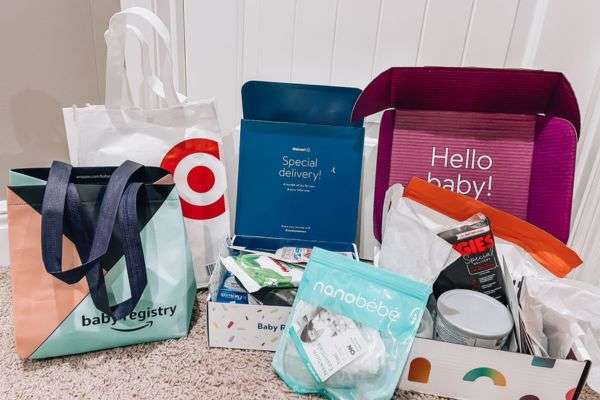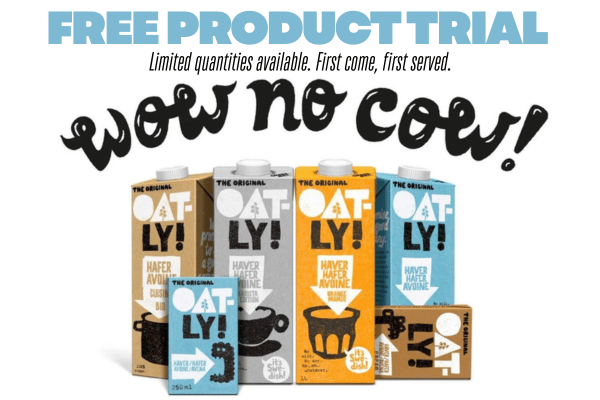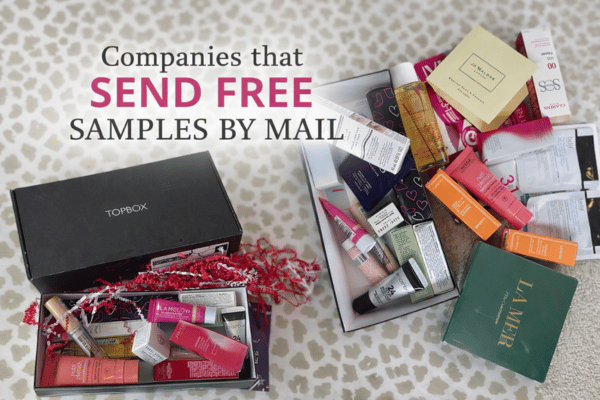

Have you ever wondered how some people get to try new products before they hit store shelves? Product testing is one of the ways they do it. Companies regularly look for everyday consumers to test products and share honest feedback. In return, testers may receive free items, cash payments, gift cards, or reward points.
While it may sound too good to be true, product testing is a real opportunity. It is not usually a full-time job, but it can be a flexible and enjoyable way to earn extra income or receive free products.
What Is Free Product Testing and How Can I Get Started?
Free product testing happens when companies send products to selected individuals to try and review. These products may still be in development or preparing for launch. Brands rely on testers to identify issues, suggest improvements, and provide real-world feedback.
As a home product tester, your role is straightforward. You use the product according to the instructions and submit detailed, honest feedback within the required time frame.
If you want to get started, begin by identifying the types of products that interest you. You might prefer beauty products, electronics, household goods, food items, or digital services. Once you know your preferences, register with reputable product testing platforms and complete your profile carefully. Companies use this information to decide whether you match their target audience.
It also helps to respond quickly to invitations and to provide thoughtful feedback every time you are selected. Reliability increases your chances of being invited again.
How Can I Get Companies to Send Me Free Products for Testing?
If you want companies to send you products, you need to position yourself where they are already searching for testers.
First, sign up for multiple legitimate product testing platforms. The more trusted sites you join, the more opportunities you will see. Make sure you complete all screening surveys honestly and thoroughly. Companies look for testers who match specific demographics and interests.
It is also wise to create a dedicated email address for product testing. This makes it easier to track invitations and deadlines. Many testing opportunities have limited spots, so responding promptly can make a difference.
Most importantly, provide detailed and honest reviews. Companies value testers who take the process seriously. The more helpful your feedback is, the more likely you are to receive future invitations.
What Companies Pay You to Test Their Products?
Several reputable platforms connect testers with brands that need feedback. Some focus on digital testing, while others send physical products.
TryMata specializes in usability testing. Testers review websites and apps while recording their screen and voice. After completing and submitting a test, payment is typically sent through PayPal once approved.
Swagbucks is widely known for surveys but occasionally offers product testing opportunities. Members earn points that can be redeemed for cash or gift cards.
UserTesting is one of the most popular platforms for reviewing digital products. Testers provide real-time feedback while completing tasks on websites or apps.
BetaTesting connects users with companies launching new apps, software, and technology products. It is especially appealing for people who enjoy trying early versions of tech products.
Pinecone Research is an invitation-based research panel that sometimes offers higher-paying product tests before items launch publicly.
Toluna Influencers provides surveys and product tests in exchange for points that can be redeemed for rewards.
Testbirds focuses on testing apps and software, with testers reporting usability issues and bugs.
Clicks Research offers product testing opportunities across various categories, sometimes including payment.
TestingTime provides paid usability tests and research studies conducted online or in person, with compensation typically paid by bank transfer.
How Can I Become a Product Tester and Get Free Stuff?
If you want to approach product testing seriously, it helps to treat it like a professional side activity.
Start by choosing the product categories that fit your lifestyle and interests. Companies prefer testers who naturally use the products they are reviewing.
Next, register on several reputable platforms and keep track of where you have applied. Complete screening surveys honestly and thoroughly.
When you receive testing instructions, read them carefully. Companies often include specific requirements about how to use the product and what to include in your review. Taking notes while testing can help you provide clear and detailed feedback.
Consistency, honesty, and attention to detail will make you stand out as a reliable tester.
Do Product Testers Actually Get Free Products?
Yes, legitimate product testers do receive free products. These items can include beauty products, household goods, electronics, clothing, toys, and food.
In many cases, testers are allowed to keep the product after completing the review. In other cases, they may need to return it. Some programs combine free products with monetary compensation or reward points.
It is important to avoid platforms that ask for upfront fees, as legitimate product testing opportunities do not require payment to participate.
Is Product Testing a Legitimate Job?
Product testing is legitimate, but it is important to have realistic expectations. Companies rely on testers to improve products before they are widely released. Feedback helps brands fix issues, enhance usability, and refine product features.
There are several types of product testing. Physical product testing involves receiving items at home and using them in everyday situations. Usability testing focuses on apps and websites. Market research studies may involve surveys, interviews, or focus groups.
While product testing is real, it is typically best suited as supplemental income rather than a full-time career. Opportunities can vary in frequency and availability.
How Much Do Product Testers Get Paid?
Payment varies depending on the platform and the type of test. Some usability tests offer a fixed payment per session. Focus groups and in-depth studies may pay more. Physical product tests may provide free products instead of cash.
Testers can also earn money by writing detailed reviews, joining paid research panels, participating in focus groups, or creating product review content on social media platforms.
However, most product testers earn occasional extra income rather than a steady salary. It is best viewed as a flexible side opportunity.
What Qualifications Do I Need to Be a Product Tester?
You do not need a formal degree to become a product tester, but certain skills are helpful.
Strong writing skills are important because companies rely on clear and well-structured feedback. Good time management helps you meet deadlines, especially if you are testing multiple products. Flexibility allows you to test different types of products when opportunities arise. Attention to detail ensures your feedback is specific and useful.
Product testers may review a wide variety of items, including beauty products, household goods, electronics, clothing, toys, and food.
If you enjoy trying new products and sharing honest opinions, product testing can be a practical and enjoyable way to receive free items and earn occasional extra income.