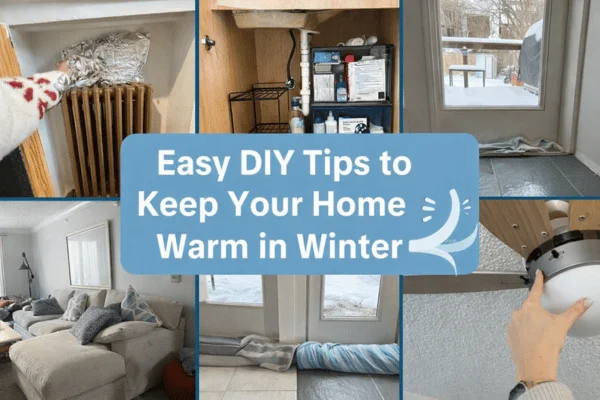
If your house starts to feel like an icebox the second the temperature drops, you are not alone. The good news is you do not need a renovation budget or fancy tools to make a real difference. A few small DIY tweaks can help keep cold air out and warm air where it belongs.
These are simple, low effort tricks you can do in an afternoon, many with things you already have at home.
Use Reflective Foil Behind Radiators
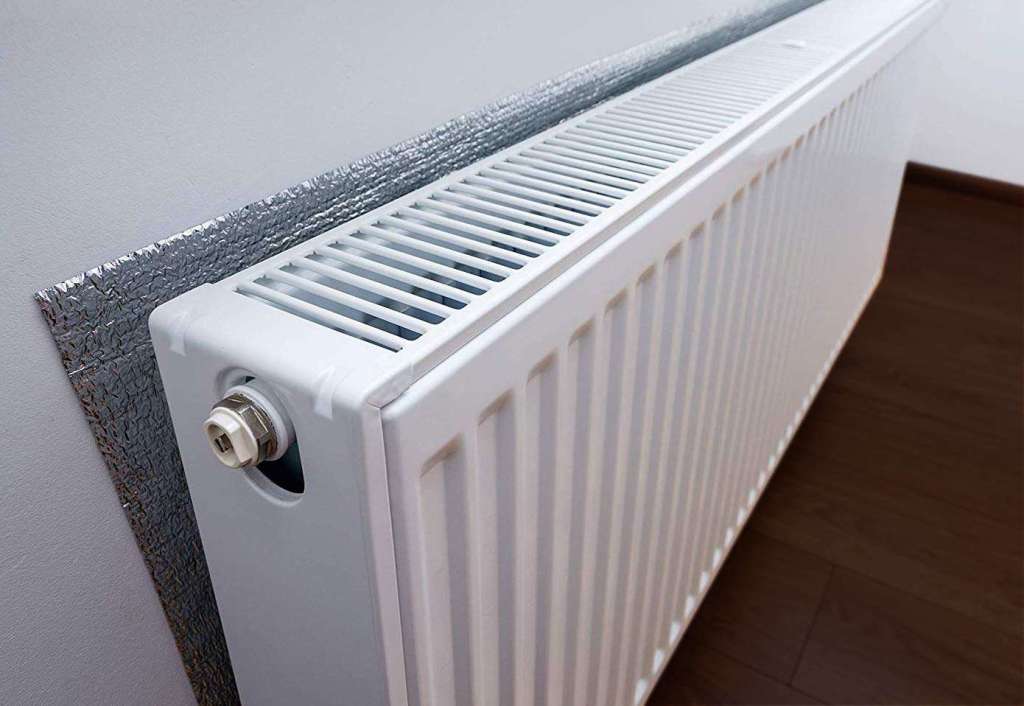
If you have radiators along exterior walls, a lot of heat can escape straight into the wall instead of your room.
Placing reflective foil or radiator insulation panels behind the radiator helps bounce heat back into your space. Even basic aluminum foil can help in a pinch. It is cheap, quick, and surprisingly effective.
Open Cabinets to Prevent Frozen Pipes
When temperatures drop hard, pipes under sinks can freeze, especially in kitchens and bathrooms along exterior walls.
Opening cabinet doors allows warm air to circulate around the pipes, lowering the risk of freezing and bursting. It looks messy, but it works. This one is especially important during overnight cold snaps.
Seal Drafts Around Doors and Windows
Drafts are sneaky. You might not notice them until you sit near a window and wonder why your feet feel frozen.
You can seal drafts using caulking, weather stripping, removable window film, or even rolled towels along the bottom of doors and windows. It is not glamorous, but it can make a noticeable difference fast.
Run Your Ceiling Fan Clockwise
Most people forget ceiling fans exist in winter, but they are actually helpful when used correctly.
Set your ceiling fan to spin clockwise on low speed. This gently pushes warm air down from the ceiling without creating a breeze, helping the room feel warmer without turning up the heat.
If you are not sure how to switch directions, check the small toggle on the fan base.
Move Furniture to Interior Walls
Large furniture like sofas placed against exterior walls can block heat and make rooms feel colder.
If possible, move seating to interior walls. It helps reduce exposure to cold surfaces and can make living spaces feel noticeably cozier, especially in older homes.
Let the Sun Do Some Work for You
During the day, open curtains and blinds on windows that get direct sunlight. Even weak winter sun adds free warmth.
Once the sun goes down, close them again to trap that heat inside. Heavy curtains work best, but honestly, any layer helps.
Use Door Draft Stoppers (Or Make One)
Cold air loves sneaking in under doors.
If you do not have a draft stopper, roll up a towel, blanket, or sweatshirt and place it along the bottom of doors that lead outside or into colder rooms like basements.
Low tech. Very effective.

Close Off Rooms You Do Not Use
If there are rooms you barely use in winter, close the doors and vents.
Why heat a space no one is sitting in? This helps the rest of your home stay warmer without touching the thermostat.
Lower Your Water Heater Slightly
Many water heaters are set hotter than necessary. Lowering it just a bit can reduce energy use without affecting comfort.
Bonus: it also reduces heat loss from hot water pipes running through colder parts of the house.
Cover Bare Floors
Cold floors can make a warm room feel colder than it actually is.
Area rugs, runners, or even layered blankets in high-traffic spots help insulate and keep heat from escaping through the floor. Especially helpful in older homes.
Close the Fireplace Damper When Not in Use
An open damper is basically an open window straight up your chimney.
If your fireplace is not actively in use, make sure the damper is fully closed. This is a big one people forget.
Cook or Bake Strategically
Using the oven naturally warms your kitchen. When you are done cooking, leave the oven door cracked open so that leftover heat can escape into the room.
Obviously, only do this when you are home and awake.
Wear the Warmth First
This sounds obvious, but it matters. Wearing socks, slippers, or a light sweater at home lets you stay comfortable without cranking the heat.
Sometimes the easiest fix is warming yourself, not the whole house.
Real Talk
You do not need to turn your home into a DIY science project. Pick a few of these that fit your space and habits.
Small changes stack up, especially during long cold stretches.